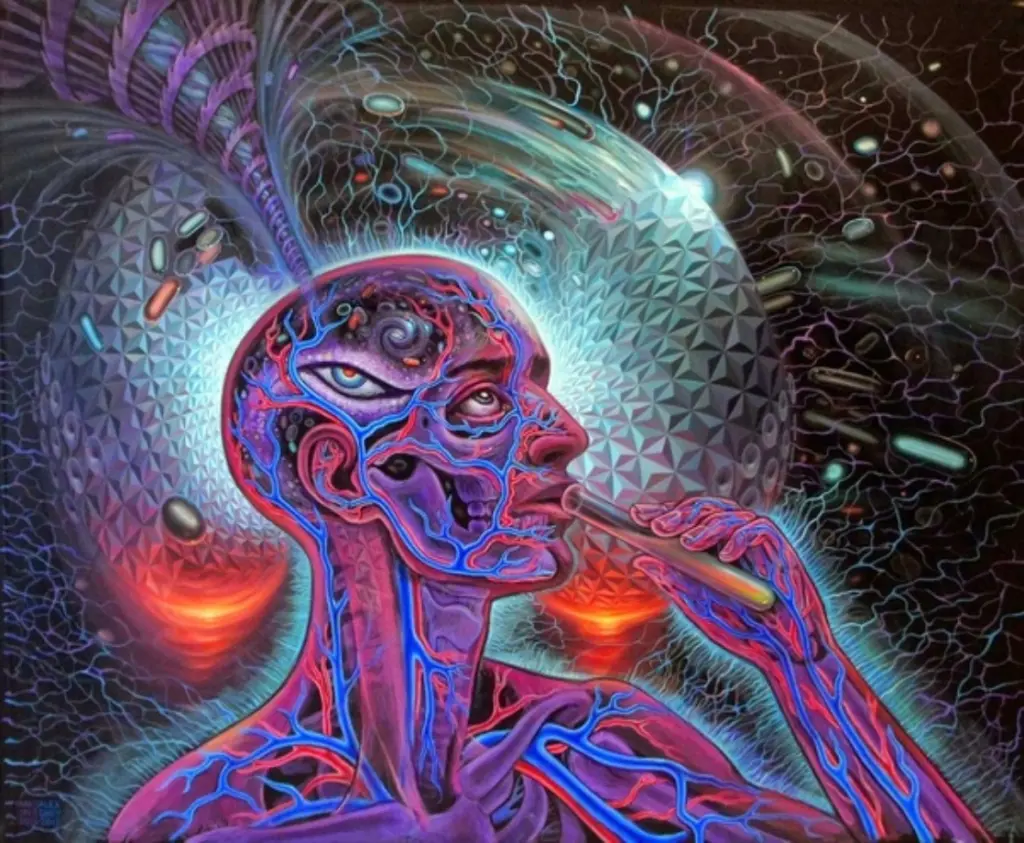
Dimethyltryptamine, commonly known as DMT, is a complex yet intriguing substance that has fascinated researchers, psychologists, and users for years. This article will take an in-depth look at DMT - providing a comprehensive guide into its world, from its chemical structure to its effects on the brain, historical usage, cultural significance, its comparison to other psychedelics, and also its legal status across the globe.
Overview of DMT: Its Chemical Structure and Effects on the Brain
In technical terms, DMT is a naturally-occurring psychedelic drug of the tryptamine family. Its chemical structure shares similarities with serotonin and melatonin, vital neurotransmitters in our brains. As they control many key physiological functions, it's unsurprising that DMT has a profound effect on our consciousness.
DMT is known for its powerful hallucinogenic effects, which alter perceptions of time, space, and individual identity. During a DMT trip, people often report encountering alien entities, traveling through different dimensions, or having profound mystical experiences. The exact mechanisms of how DMT works in the brain are still poorly understood, though some researchers suggest it might be linked to the activation of the brain's sigma-1 receptors.
Critically, while DMT can produce intense psychedelic experiences, they are generally short-lived due to the body's ability to metabolize DMT quickly. However, the psychological impacts of these experiences can be long-lasting, leading to shifts in personal perspective, beliefs, and values.
Historical Usage and Cultural Significance of DMT
DMT is not a new discovery. Evidence from ancient civilizations shows that it has been used for thousands of years in Shamanic rituals and spiritual practices. The drug's roots can be traced all the way back to South America, where it was consumed as a drink called 'Ayahuasca'.
Throughout history, communities have revered DMT for its potential therapeutic and spiritual advantages. People who inhale or ingest DMT often report intense mental transformations, such as heightened introspection, euphoria, and transcendental experiences that might seem indistinguishable from reality.
Despite these historical and cultural uses, the psychoactive characteristics of DMT have made it a controversial substance. As our understanding of its beneficial potentials increase, there's an even keener interest in exploring its possibilities within controlled conditions.
Modern Scientific Research Studies About DMT
In recent years, DMT has piqued the interest of psychologists and neurologists. Some emerging evidence suggests that it may have potential therapeutic benefits in treating mood disorders, such as depression and anxiety. In addition, DMT may stimulate neurogenesis—the growth of new neurons—and show promise in treating addiction.
Despite these promising aspects, there exist several challenges related to DMT research. Its high potency, rapid onset and short duration, coupled with its profound psychological effects make it immensely difficult to study in a controlled laboratory setting. Furthermore, ethical and legal considerations also complicate matters.
Although research is in its early stages, it's undeniable that the potential therapeutic value of DMT is immense. Continued exploration could lead to revolutionary new treatments for mental health disorders.
Methods for Ingesting DMT and Safety Considerations
DMT can be consumed in numerous ways—it can be smoked, inhaled, injected or ingested orally, often mixed with other plants in a brew like Ayahuasca. The method of consumption affects the intensity and duration of the trip: smoking or injecting DMT causes a potent, immediate, but short-lived trip, while ingesting it orally results in a longer, less intense experience.
Safety is paramount when dealing with potent psychedelics like DMT. Side effects can range from physical discomforts such as nausea or elevated heart rate to psychological distress and psychotic-like symptoms. Therefore, DMT should be taken under responsible circumstances and ideally, under the supervision of experienced professionals.
It's also crucial to consider that individuals with pre-existing mental conditions, especially psychotic disorders, may be particularly vulnerable to adverse effects. In these cases, the use of DMT should be avoided, due to the risk of exacerbating existing symptoms.
Comparison Between DMT and Other Psychedelics
The world of psychedelics is vast and varied, with substances such as LSD, psilocybin, and mescaline each offering unique experiences. However, DMT stands out for its extreme potency and rapid onset. It's often dubbed as 'the spirit molecule' due to the intense spiritual experiences it induces.
In contrast to other psychedelics which can cause trips lasting several hours, a DMT trip is usually short-lived; it typically lasts about 15 minutes when smoked, but the perceived time within the trip might feel considerably longer. The profound nature and fleeting duration of the DMT experience differentiate it from other psychedelic substances.
The exact experience varies greatly among individuals and each type of psychedelic might be suited to different purposes, settings, or desired outcomes. Therefore, understanding the differences between these substances is essential for anyone considering their use.
Understanding the DMT 'Breakthrough' Experience
A 'breakthrough' on DMT refers to the experience of transcending the threshold between regular perception and full immersion in a DMT-influenced reality. This experience is often described as profound and mystical, sometimes involving a sense of disconnection from one's body and entry into a different realm.
People who undergo a DMT breakthrough report encounters with sentient beings or complex, unfathomable structures. Despite the strikingly surreal nature of these experiences, they are often perceived as more real than ordinary reality. Such experiences can prove transformative, altering the individual's perspective on life and consciousness.
Nevertheless, it's essential to approach the potential for such an encounter with caution. The intensity of a DMT breakthrough might feel overwhelming, and without proper preparation or mental resilience, it could cause psychological distress.
Analysis of Trip Reports from Reddit.com and Bluelight.org
Online platforms like Reddit.com and Bluelight.org provide users a platform to share their experiences with substances like DMT. These reports offer valuable first-hand insight into the effects of DMT and often emphasize the significant variation in individual experiences.
A common theme among these reports is the encounter with 'other' realities and entities. Users frequently describe profound spiritual and emotional revelations, underlining the prime role that set (mindset) and setting (environment) play in shaping the trip. Negative experiences are generally linked to lack of preparation, an unfavorable set or setting, or excess dosage.
While these self-reported accounts provide an important perspective on the DMT experience, they should be approached with caution. Remember that everyone's response to any drug, including DMT, is unique. Personal prior experiences, mental state, physical health, and many other factors can all affect how an individual might react to DMT.
Legal Status of DMT Worldwide: What You Should Know
DMT is classified as a Schedule I controlled substance in the United States, which means it's illegal to manufacture, buy, possess, or distribute it. Many other countries, including the United Kingdom, Australia, and Canada, have similar laws.
However, in some regions like Brazil and Peru, DMT-containing plants are used legally for religious and spiritual purposes. It's important to note that while emerging studies indicate potential therapeutic benefits of DMT, its legal status remains a contentious issue worldwide.
As with any drug, we strongly advise against any illegal activities. It's crucial that those interested in exploring DMT stay informed about the legal implications and dangers associated with its use.
Decoding Visual Hallucinations: Common Themes and Motifs in DMT Trips
The intricate details and fractal patterns seen during a DMT trip are a subject of fascination. Detailed geometric patterns, morphing entities, alien architectures, and indescribable colors often characterize these experiences.
While the specific features of DMT-induced visions vary among individuals, several common themes have been recognized. These include the experience of entering other dimensions, meeting non-human entities, and perceiving alien languages or writing systems.
Despite the idiosyncratic nature of these hallucinations, the recurring themes suggest that the DMT experience might not be entirely subjective or arbitrary. The links between the widely-observed phenomena and the workings of our brain remain a tantalizing mystery that science is yet to unravel.
Psychological Impacts of DMT: Potential Benefits and Risks
DMT experiences can lead to significant psychological changes. On the positive side, DMT might induce feelings of enlightenment or spiritual awakening, help confront fears or traumas, and inspire a new appreciation for life. Some individuals also report enduring improvements in mental wellbeing following DMT use.
However, not all psychological impacts of DMT are positive. As with any potent psychedelic substance, DMT can cause distressing or even terrifying experiences. Accidentally taking too much DMT or using it in an inappropriate setting can lead to anxiety, paranoia, and psychotic-like symptoms in some cases.
Moreover, individuals with a predisposition to mental health issues, particularly psychotic disorders and certain personality disorders, may be at risk of adverse psychological reactions. Therefore, medical advice should be sought before considering the use of DMT or any other psychoactive substances.
Post-DMT Integration: Methods to Process and Interpret Experiences
Integration is a critical aspect of any psychedelic experience. It's the process of making sense of the experience and finding ways to incorporate the insights gained into everyday life. This can involve reflection, meditation, journaling, and artistic expression.
Some people find that sharing their experience with others—either with close confidants or within supportive group settings—can help make sense of their trip. Therapists trained in psychedelic integration can assist in helping you interpret and apply your experience into your life in a positive way.
Remember, the goal of integration is not to make every psychedelic experience feel completely normal or understandable. Instead, it's about learning to live with the new perspectives and insights gained, thereby enriching your world and potentially facilitating personal growth.
Conclusion
DMT is truly fascinating. From its powerful effects to its potential therapeutic applications, it triggers profound alterations in consciousness that continue to intrigue researchers and users alike. However, its use is not without risks.
As scientific understanding of DMT expands, so does the need for responsible use and thorough preparation. We must remember that this potent substance is not a panacea or a shortcut to enlightenment; rather, it’s a tool that offers potential insights into oneself and the nature of consciousness — insights that require careful interpretation and integration.
FAQs
Is DMT safe to use?
Like any drug, DMT comes with its own set of risks. It should be used with caution, preferably with background research and in a supportive and controlled environment.
What does a DMT trip feel like?
DMT trips are known for their intensity and rapid onset. They often involve visual and auditory hallucinations, an altered perception of time, and experiences of spiritual or mystical nature. However, each person's experience is unique.
Is DMT legal?
The legality of DMT varies worldwide. In many countries including the US, UK, Canada, and Australia, DMT is a controlled substance making it illegal to manufacture, buy, possess, or distribute.